


Trusted by Leading Industries


The Problem
- High PPE cost
- High disposal charges
- Environmental compliance
- Carbon emission
- Poor waste management
 VS
VS
Our Circular Solution
- Scientific cleaning
- Sterilization
- Quality testing
- Repackaging
- Reuse & recycle
Traditional Disposal
IncinerationCostPollution
Prajkta Recycling
CleaningSterilizationReuseSavings
Our Services (What We Recycle)
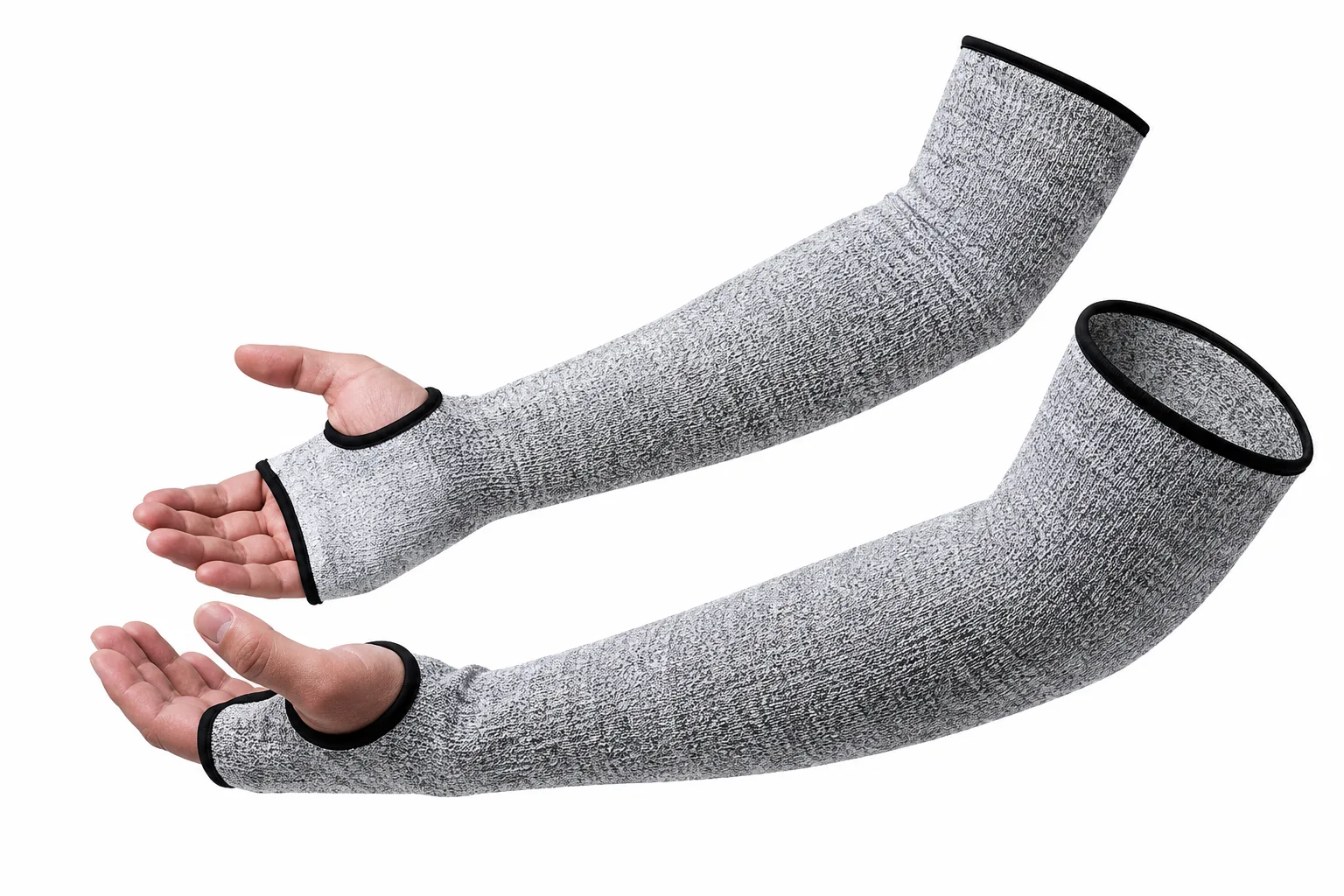
Cut Resistant Arm Sleeves
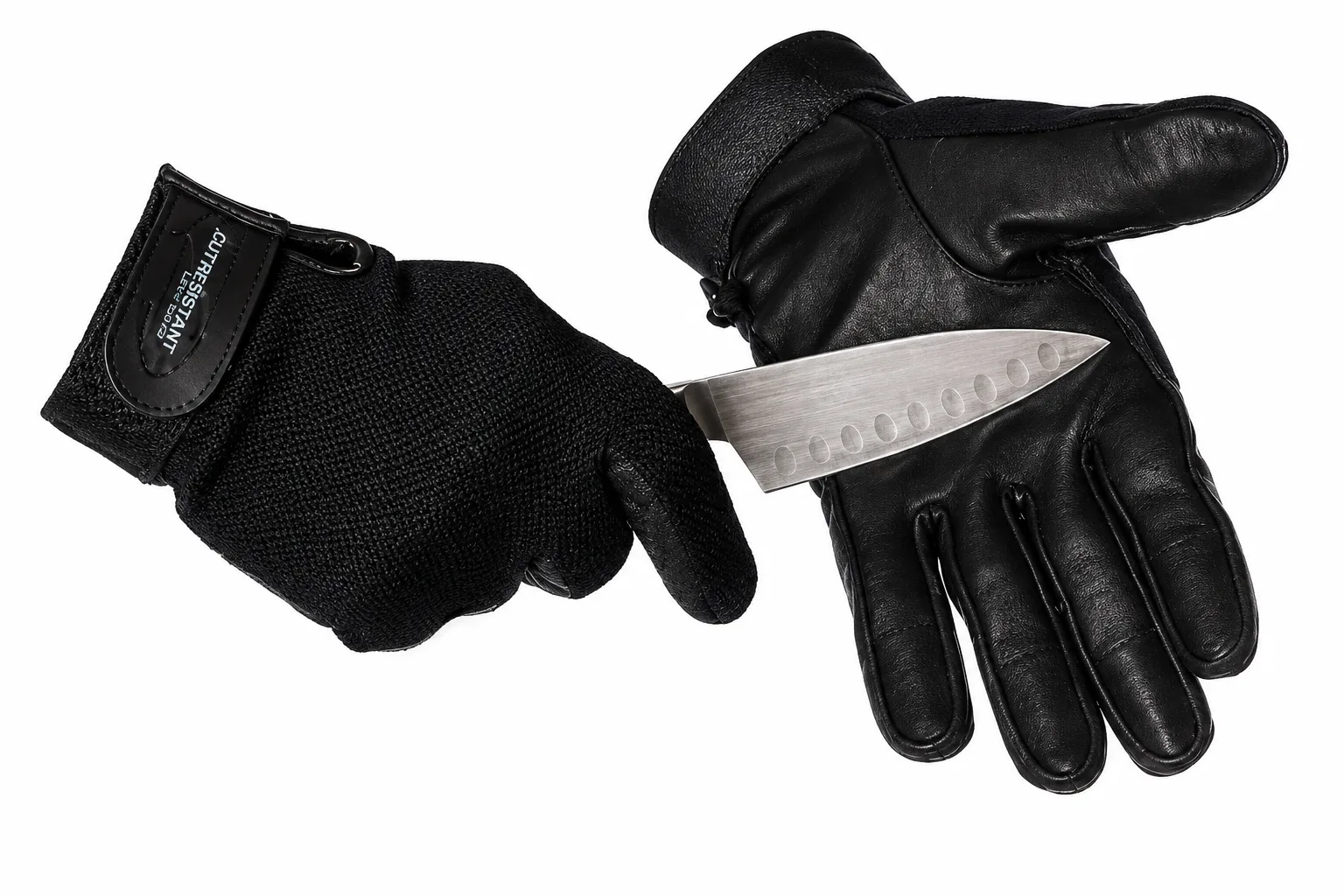
Cut Resistant Safety Gloves
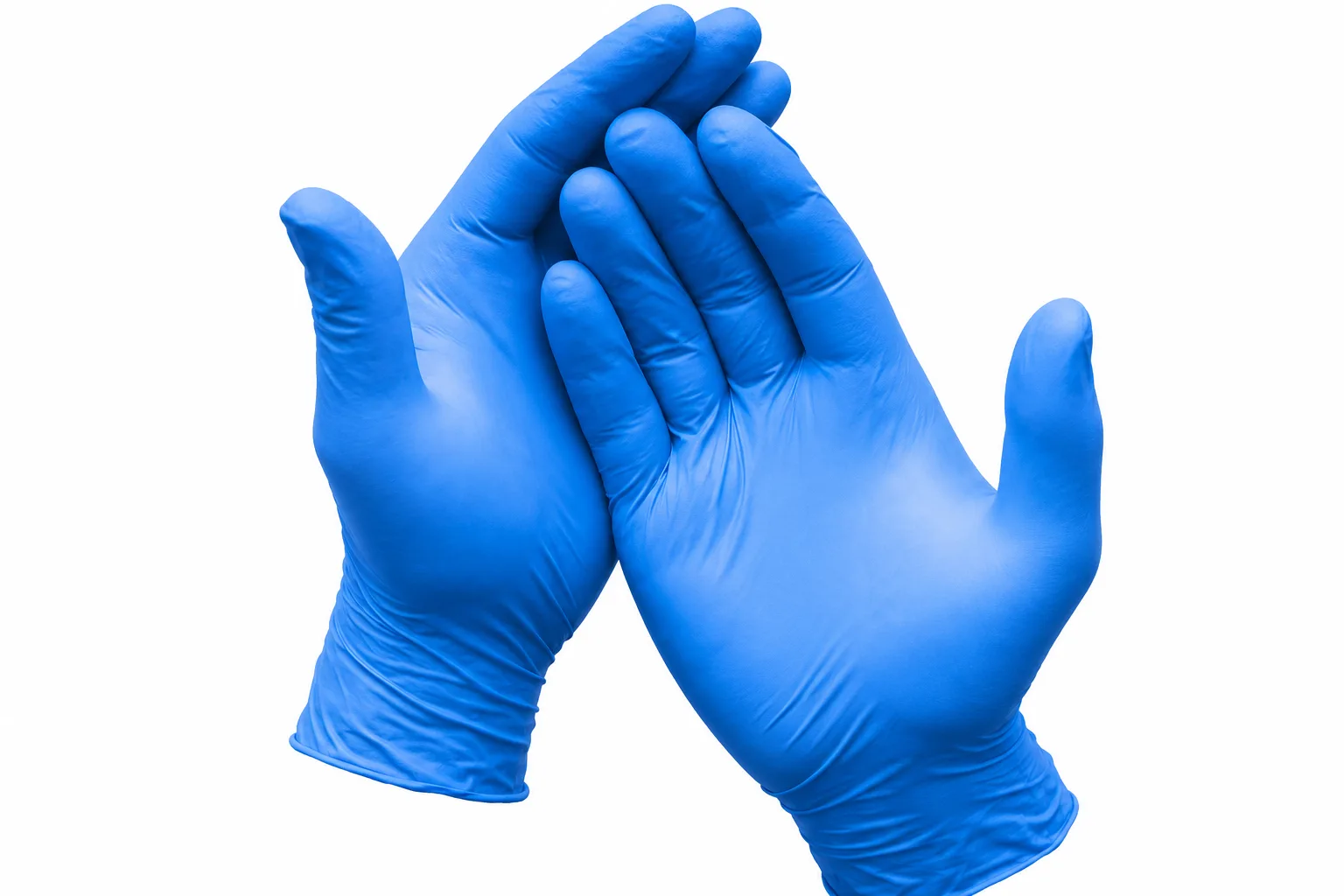
Disposable Nitrile Gloves
.webp)
Disposable Protective Coverall
.webp)
High Visibility Coverall

Industrial Workwear Shirt
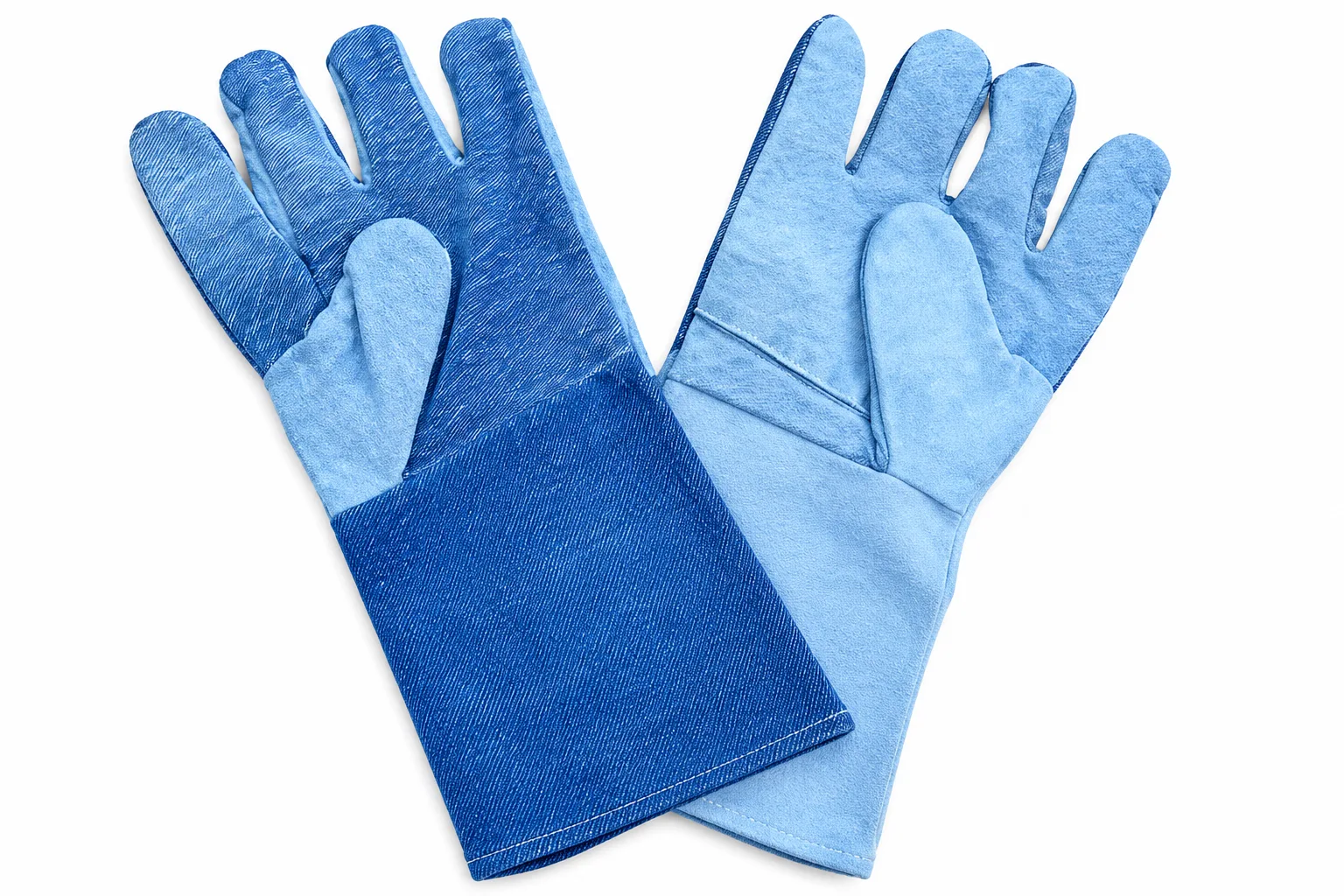
Leather Welding Gloves
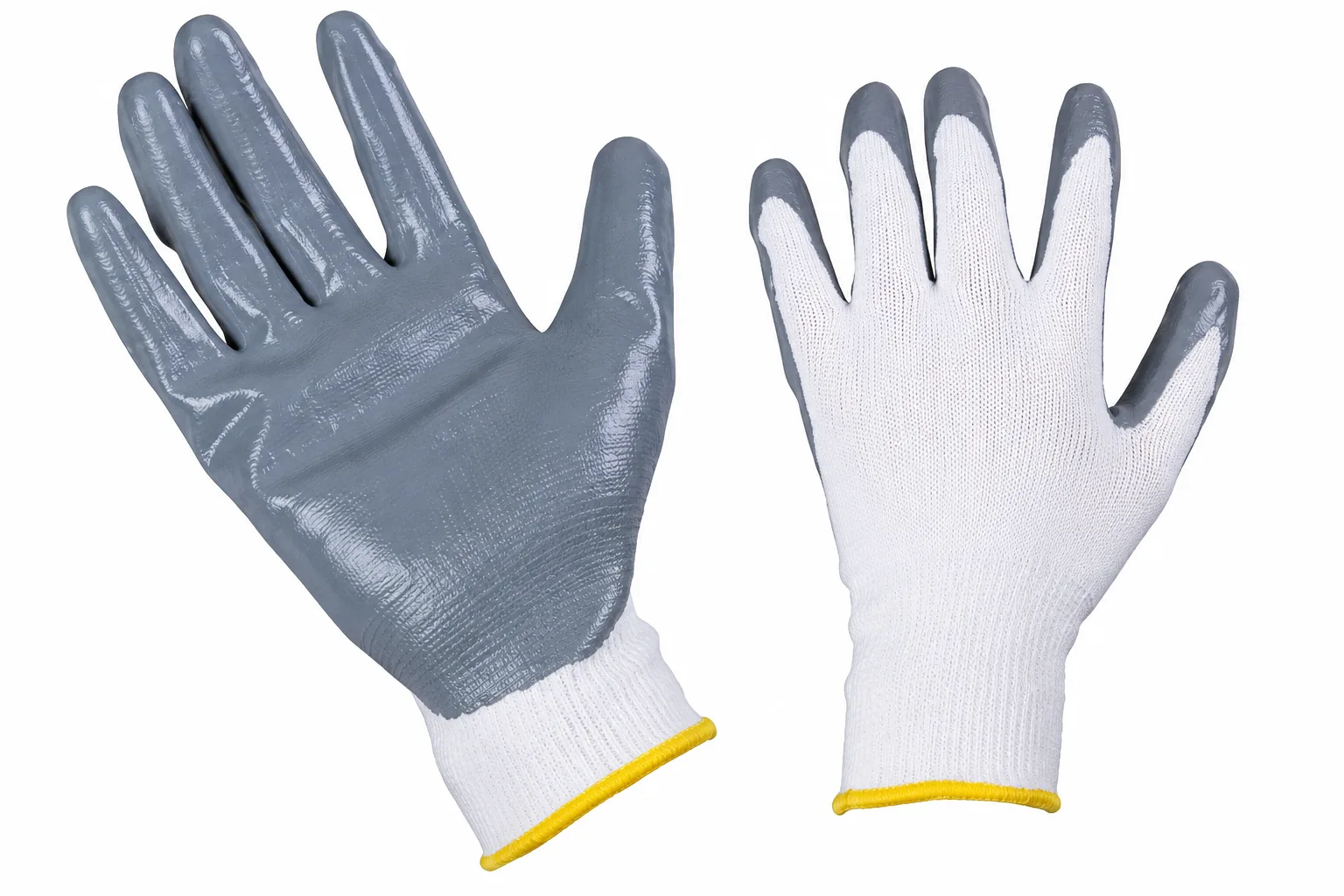
PU Coated Safety Gloves
Our 12-Step Scientific Recycling Process
Used PPE moves through a controlled, documented workflow before it returns as clean reusable protection.
 Collection
 Inspection
 Sorting
 Washing
 Chemical Treatment
 Extraction
 Fabric Recovery
 Drying
 Quality Check
 Fragrance
 UV Sterilization
 Packaging & Dispatch
STEP 01
Ready for Reuse
Collection
Scheduled industrial pickup starts the controlled recycling workflow.
Industries We Serve
 Automobile
 Engineering
 Foundry
 Pharma
 Chemical
 Food Processing
 Manufacturing
 Oil & Gas
 Steel
Steel Power Plant
Our Compliance & Certifications
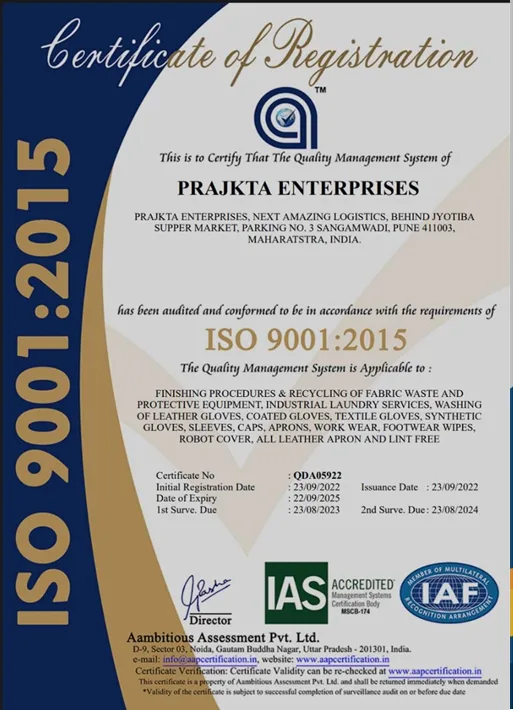
ISO 9001:2015 Certificate
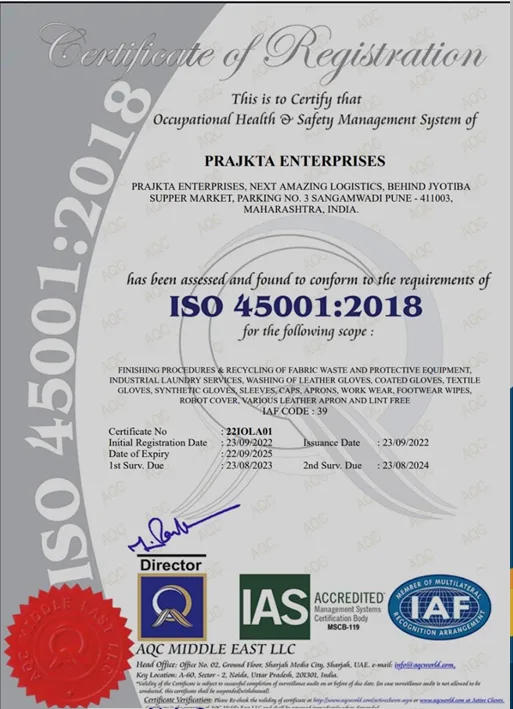
ISO 45000:2018 Certificate
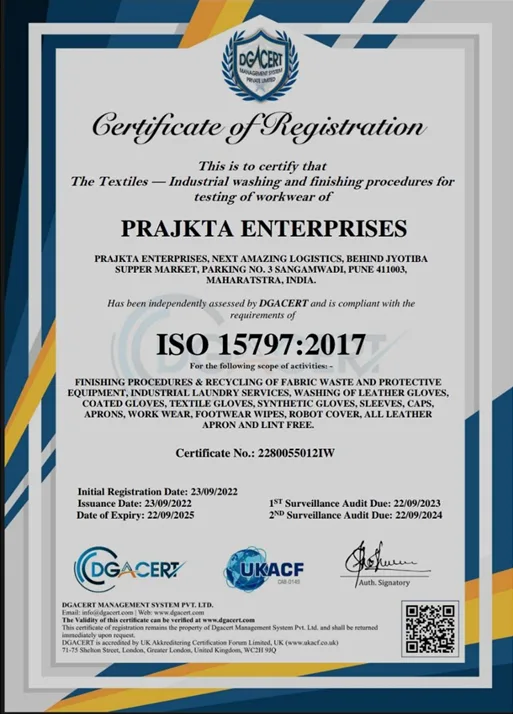
ISO 15797:2017 Certificate
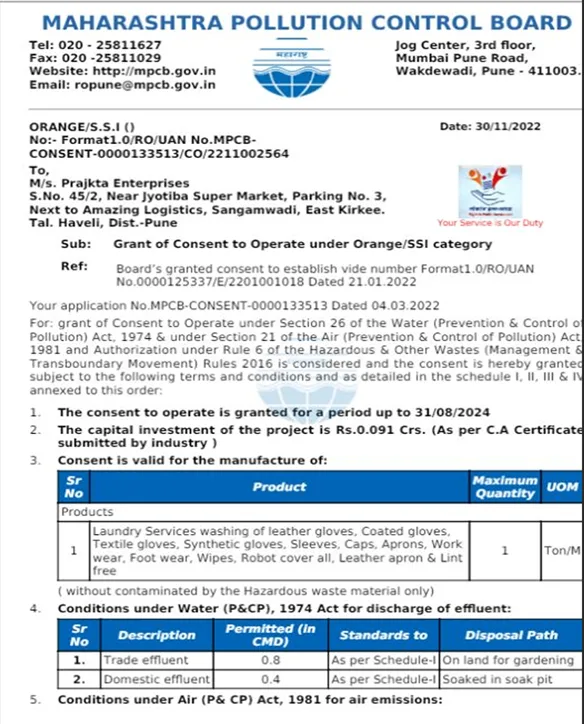
MPCB Consent Certificate
Before & After Recycling
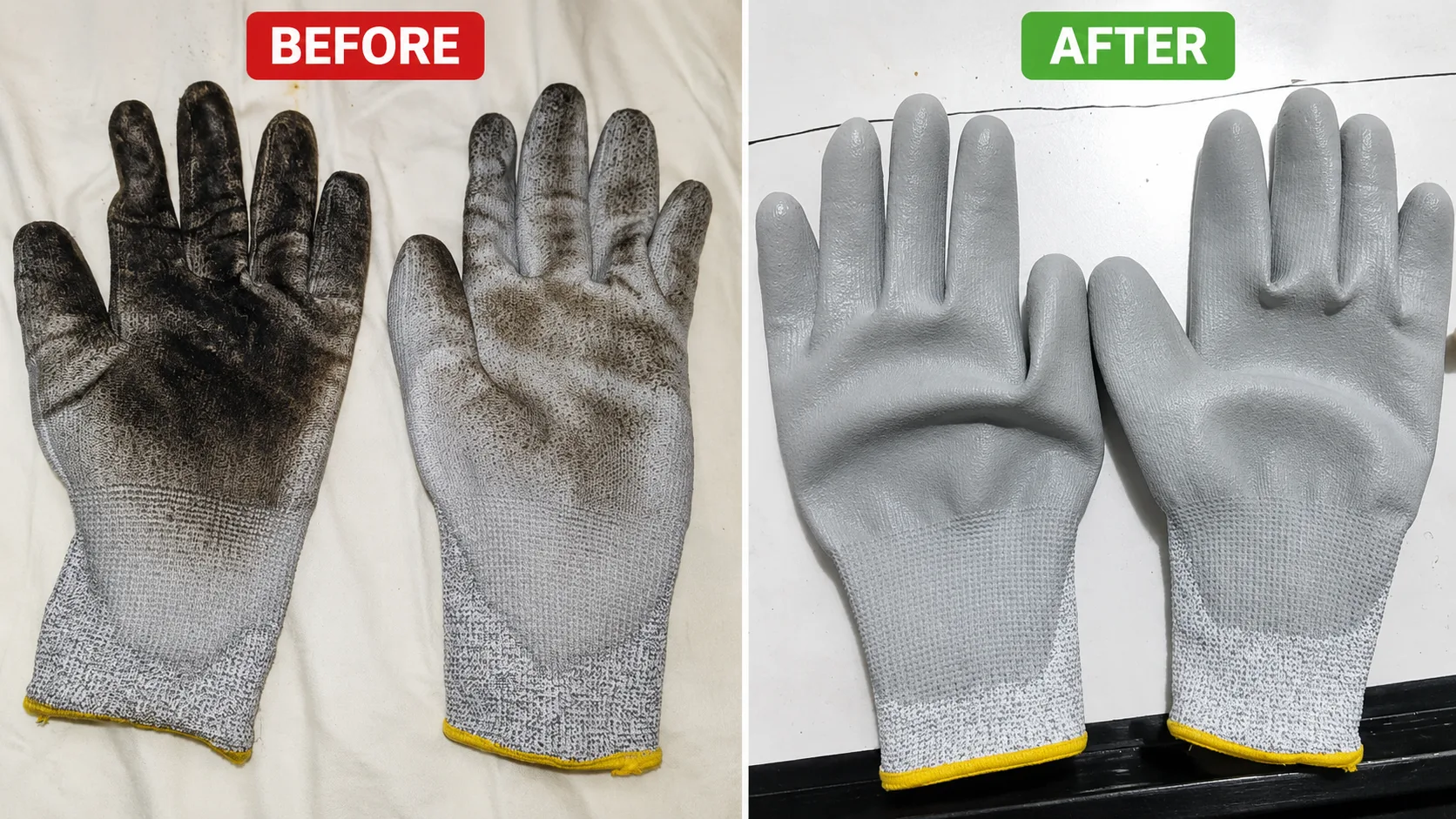
Cut Resistant Gloves - Before & After Recycling
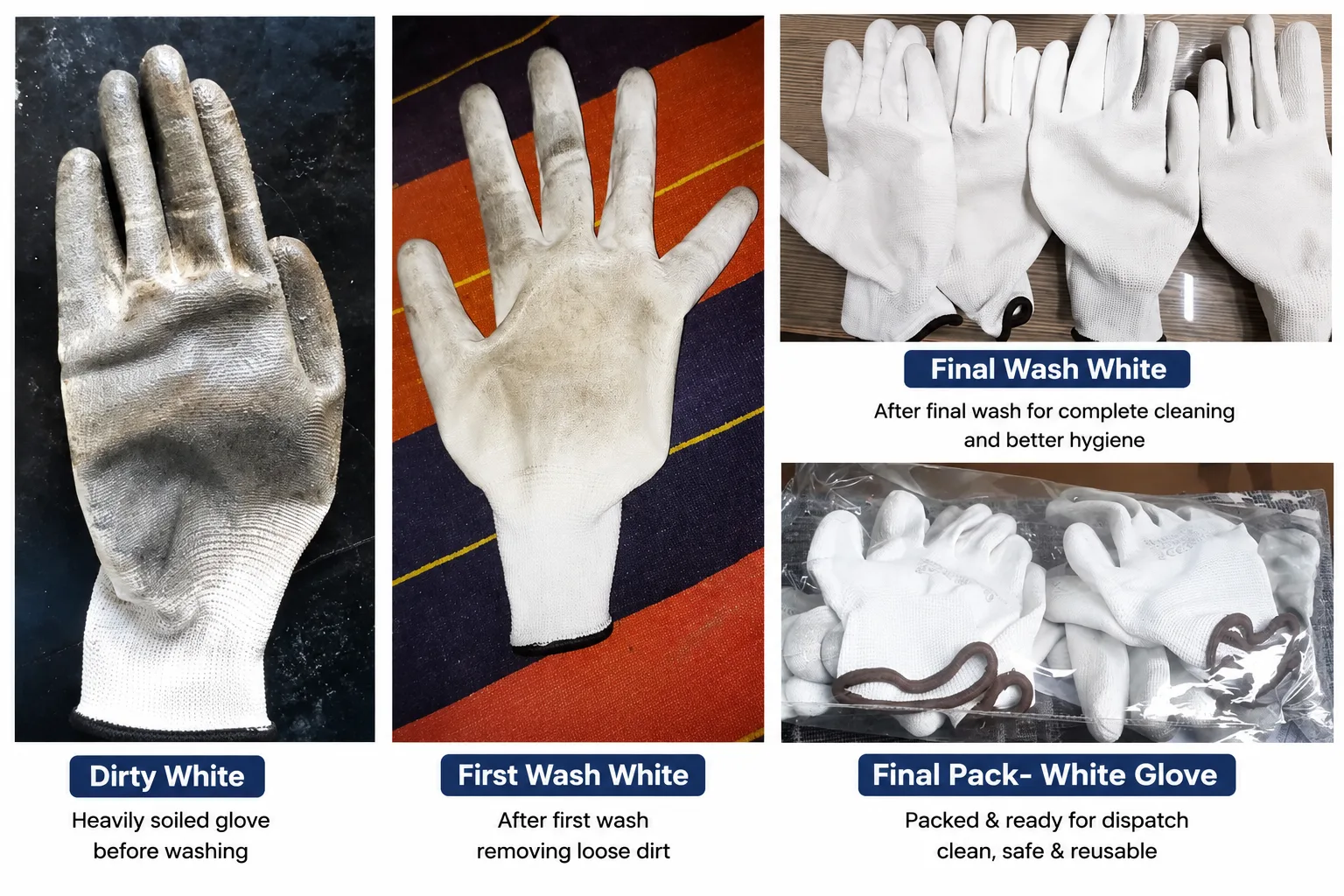
White Cotton Safety Gloves - Recycling Process
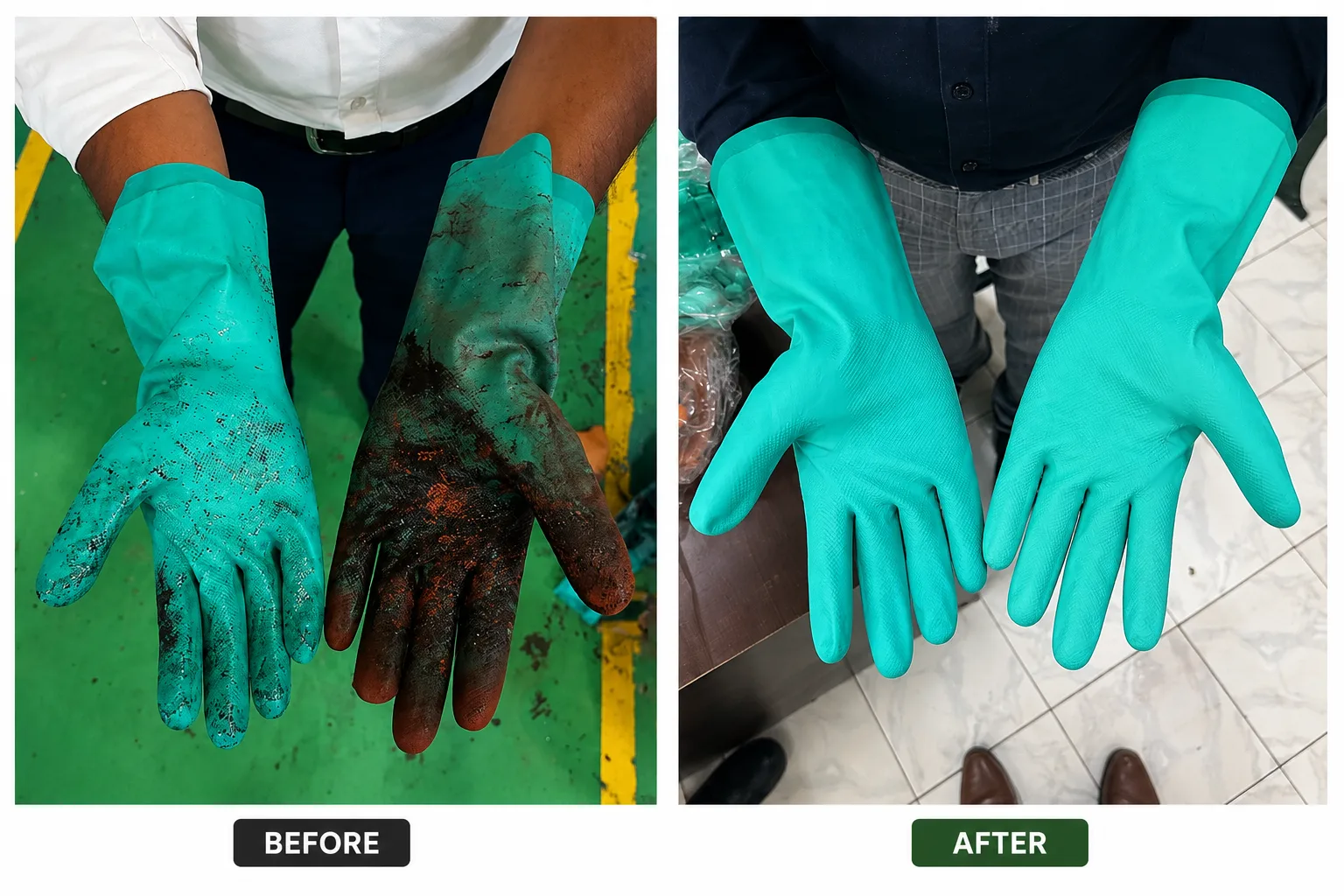
Chemical Resistant PVC Gloves - Before & After Recycling
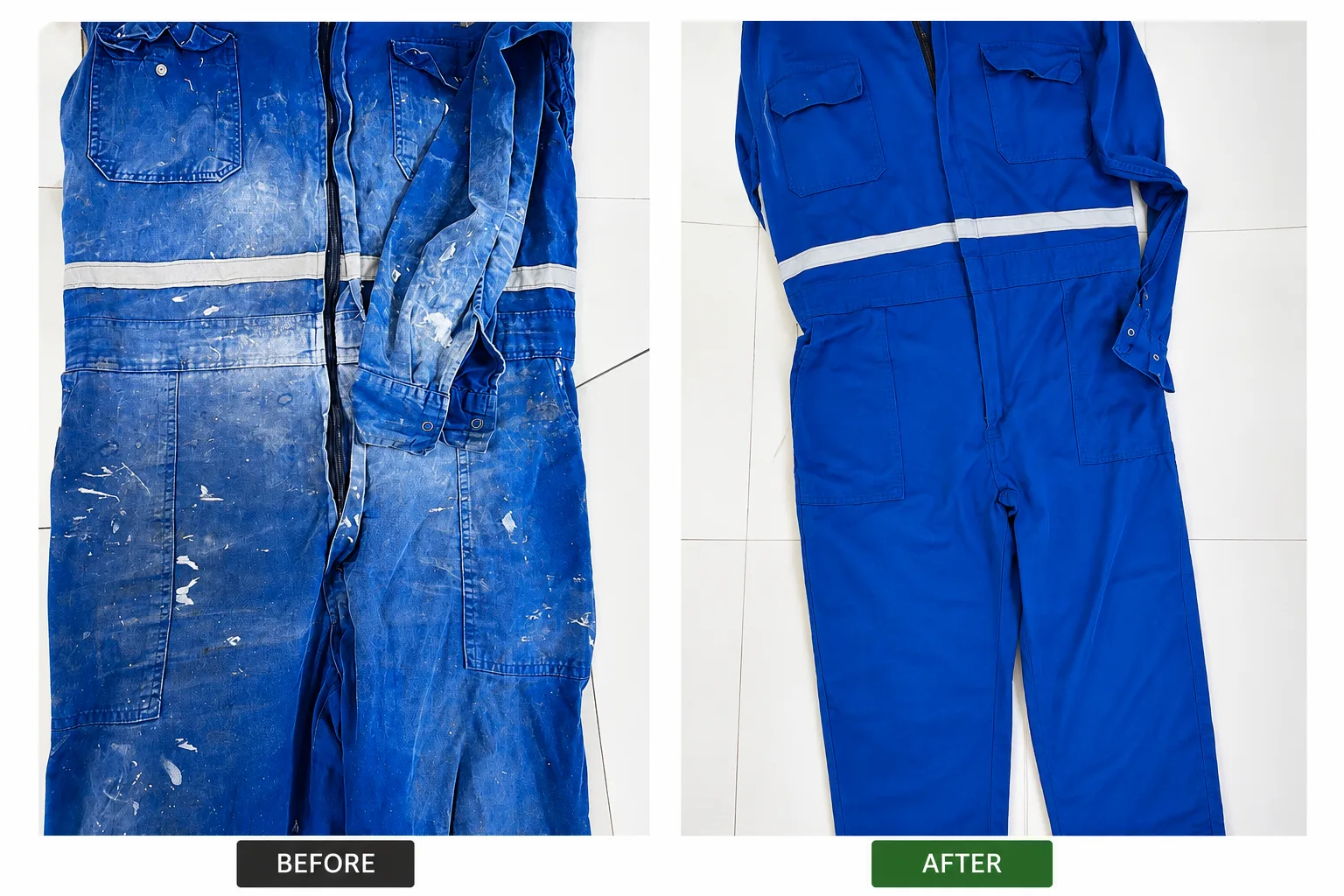
Industrial Work Coverall - Before & After Recycling
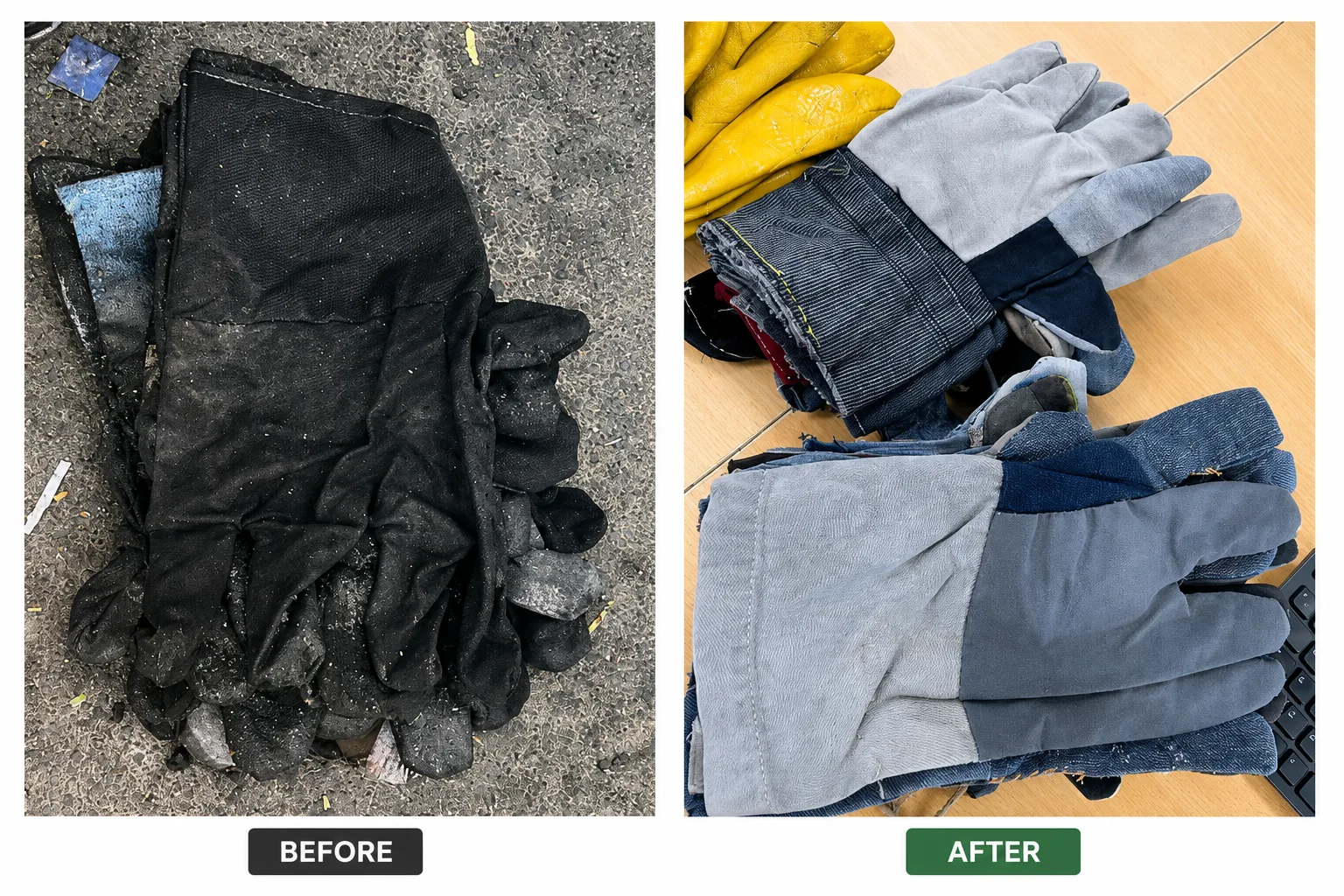
Leather Welding Gloves - Before & After Recycling
Why Choose Prajkta Enterprises?
 40%Cost Saving
Reduce PPE costs by up to 40%.
 MPCBApproved
Operate with consented recycling practices.
 ISOStandards
Aligned with documented quality systems.
 FastTurnaround
Reliable pickup, processing, and return cycles.
 ScientificProcess
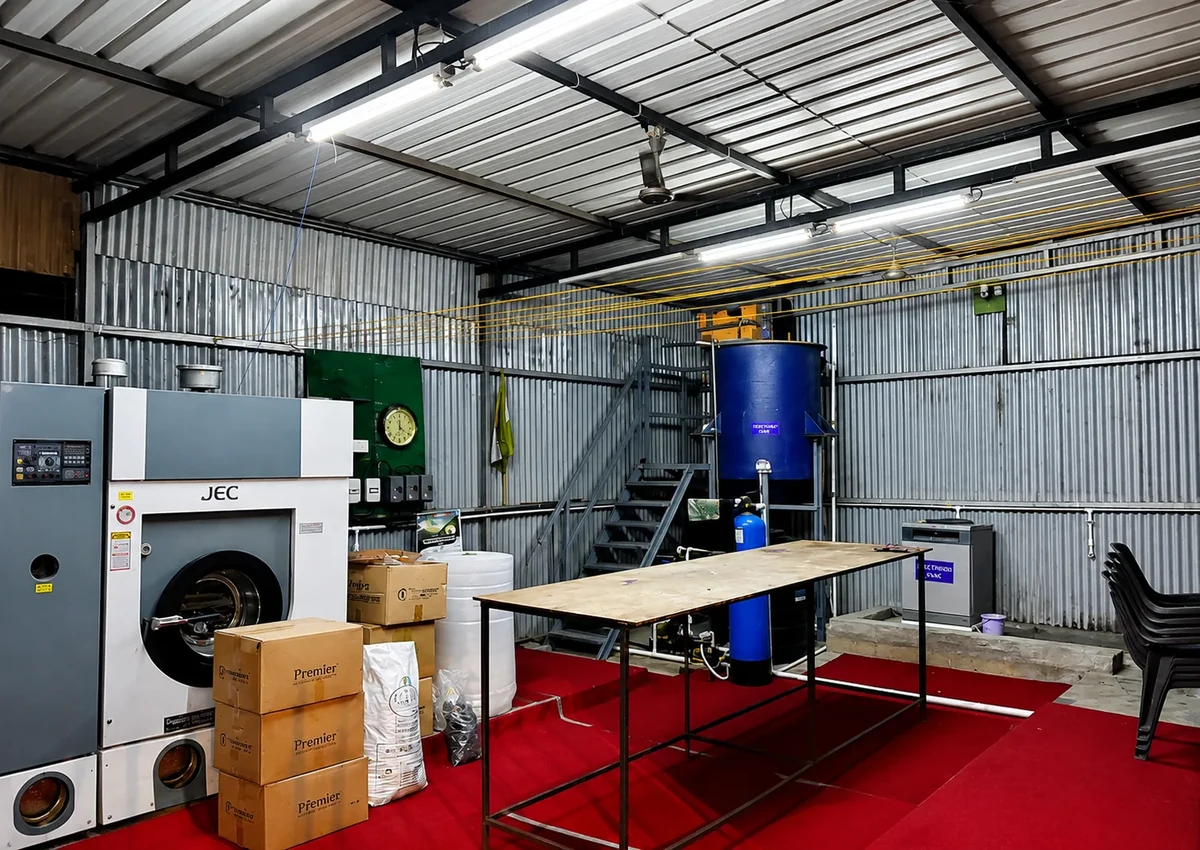
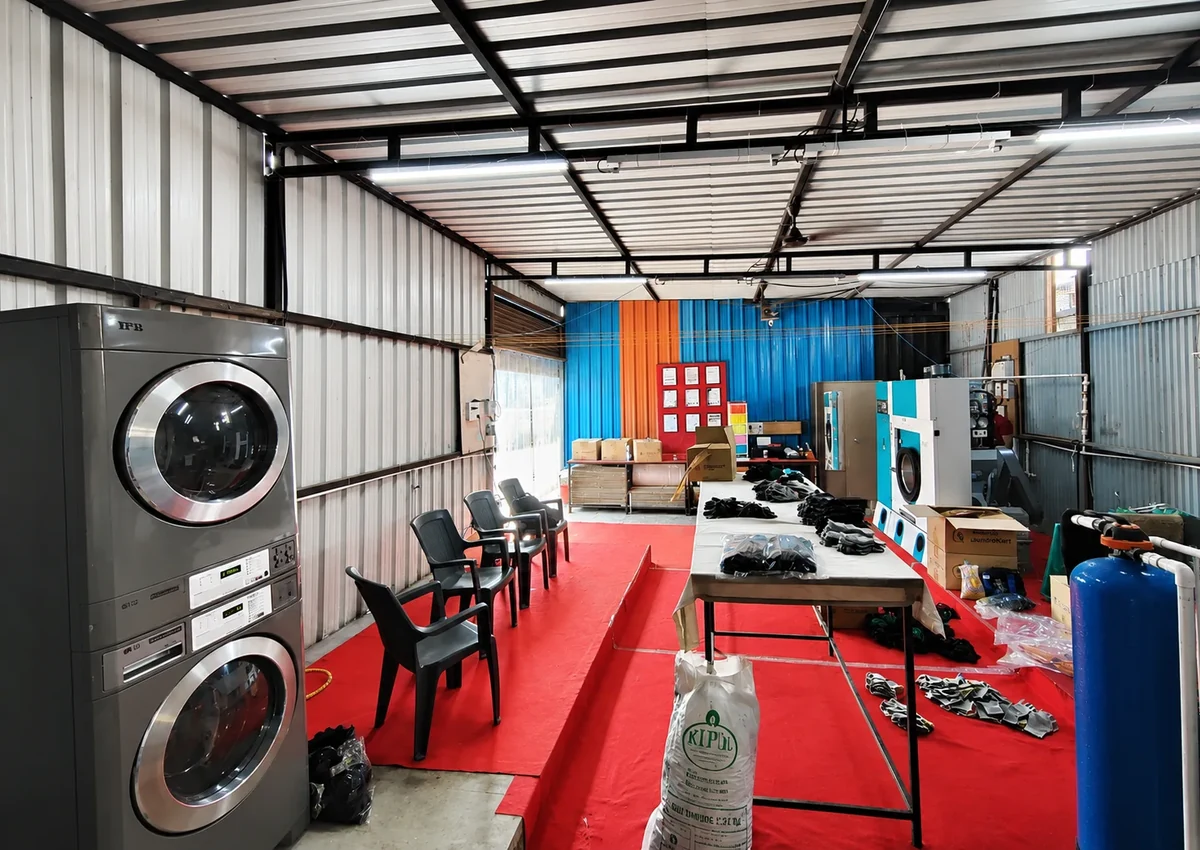
Controlled washing, extraction, and sterilization.
 IndustrialPickup
Built for manufacturing and plant operations.
 QualityAssurance
Inspection-led batches ready for reuse.
 ESGBenefits
Reduce waste while improving sustainability metrics.
 TestedDermatologically
Confidence for safer, hygienic PPE reuse.
What Our Clients Say
AC
Atlas Copco Vendor Safety Team
The recycled PPE batches were clean, traceable, and consistent enough for repeated industrial use.
★★★★★TK
thyssenkrupp Operations Team
Prajkta helped us reduce avoidable PPE disposal while keeping washing, sterilization, and packaging disciplined.
★★★★★CU
Cummins Plant Procurement
The reuse program improved PPE availability and supported measurable procurement savings across high-use items.
★★★★★MM
Magneti Marelli Production Team
Turnaround was reliable, and the cleaned gloves arrived sorted, inspected, and ready for shop-floor issue.
★★★★★BB
Bharat Bijlee Facility Team
The process gave our team confidence because compliance, hygiene, and ETP handling were clearly documented.
★★★★★SC
Sujan Continental EHS Team
Prajkta Enterprises made PPE recycling practical for daily operations without compromising safety expectations.
★★★★★
FAQ
View All FAQs →
Still Have Questions?
Here are the most common questions industries ask before starting PPE recycling.
Yes. Used industrial PPE can be recycled through a scientific process that restores cleanliness, hygiene and usability while extending product life.
Yes. Recycled PPE goes through washing, chemical treatment, drying, quality inspection, UV sterilization and packaging before dispatch. View our compliance documents.
Industries can save up to 40% on PPE-related costs depending on product type, condition, volume and recycling frequency.
We recycle cut-resistant gloves, cotton gloves, leather gloves, synthetic gloves, nitrile gloves, aprons, coveralls, arm sleeves, protective garments and industrial cotton waste. See the before and after recycling gallery.
Yes. We provide industrial pickup for eligible quantities and locations. Contact our team to check pickup feasibility.


Ready to Reduce Your Industrial PPE Cost?
Join leading industries in building a sustainable and cost-effective future.